
View the Course

Science-based sleep education

You train hard. Your sleep isn't cooperating. Here's what the research actually says.

Yalili is a five module online course for people who exercise regularly but sleep poorly and can't figure out why their performance has plateaued. It draws on published sleep science, not opinions.

Educational content only. Not a sleep clinic. Not medical advice.

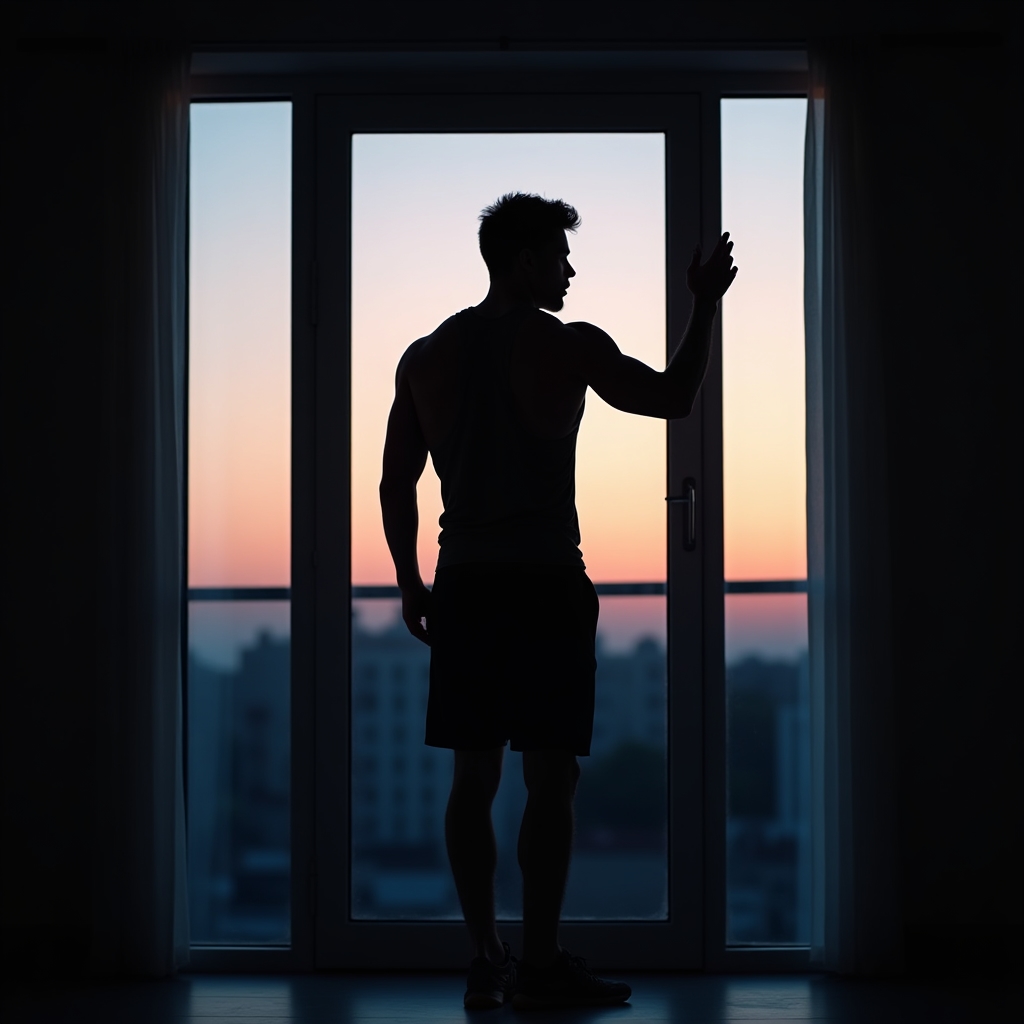
Silhouette of an athlete resting against a window at dusk, illustrating the connection between training and sleep
Deep Sleep
Caffeine Timing
Room Temp

The pattern we hear about

Training logs improve. Recovery doesn't.

Plenty of people who lift, run, or train consistently report the same frustration: the workouts are progressing on paper, but they feel flat, sore longer than expected, or stuck at the same numbers for months. Sleep is rarely the first thing they examine, and when they do look at it, a wearable score often raises more questions than it answers.

This course does not diagnose sleep disorders and does not replace a conversation with a physician. It exists to explain, in plain language, what peer-reviewed research has found about the relationship between sleep and physical performance, so the information behind common sleep hygiene advice is no longer a mystery.

Five modules

What the course actually covers

Each module is built around a specific, testable question, with references to the studies that inform the answer.

01 Close view of a person in deep sleep with soft ambient lighting, representing slow-wave sleep and muscle recovery

Muscle Repair and the Deep Sleep Connection

Slow-wave sleep coincides with the largest pulses of growth hormone release in a 24 hour cycle. This module walks through the research on protein synthesis timing, why cutting deep sleep short changes recovery markers, and what that means for someone training four or five days a week.

Physiology
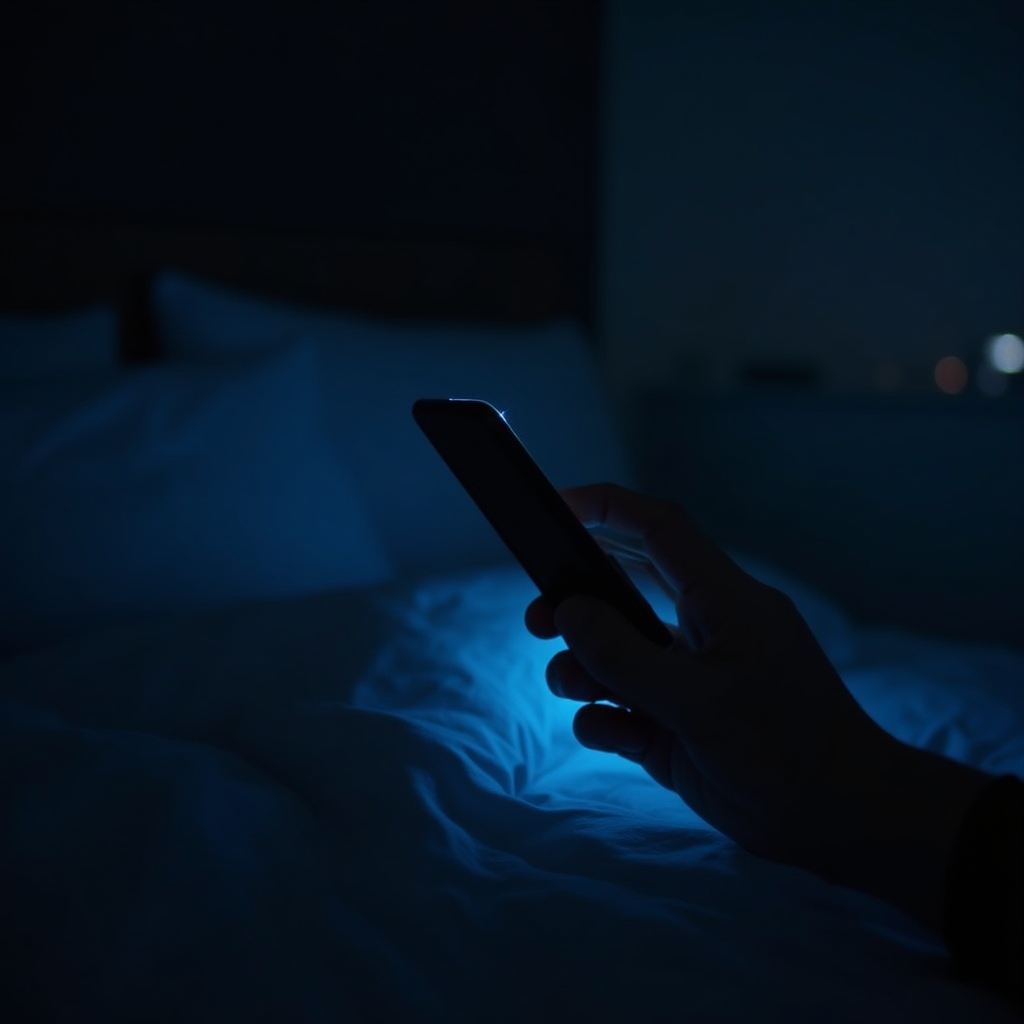

02 Phone screen glowing in a dark bedroom late at night

The Nine PM Light Problem

Short-wavelength light after dark measurably delays melatonin onset. This module explains the mechanism through the retina's ganglion cells and what controlled studies have recorded about the size and duration of that delay.

Circadian Biology
03 Cup of coffee on a desk in late afternoon light

Your Three PM Coffee at Eleven PM

Caffeine's average half-life sits between five and six hours in a healthy adult, with wide individual variation tied to liver enzyme activity. This module covers how that pharmacokinetic curve explains lingering wakefulness long after the cup is finished.

Pharmacology
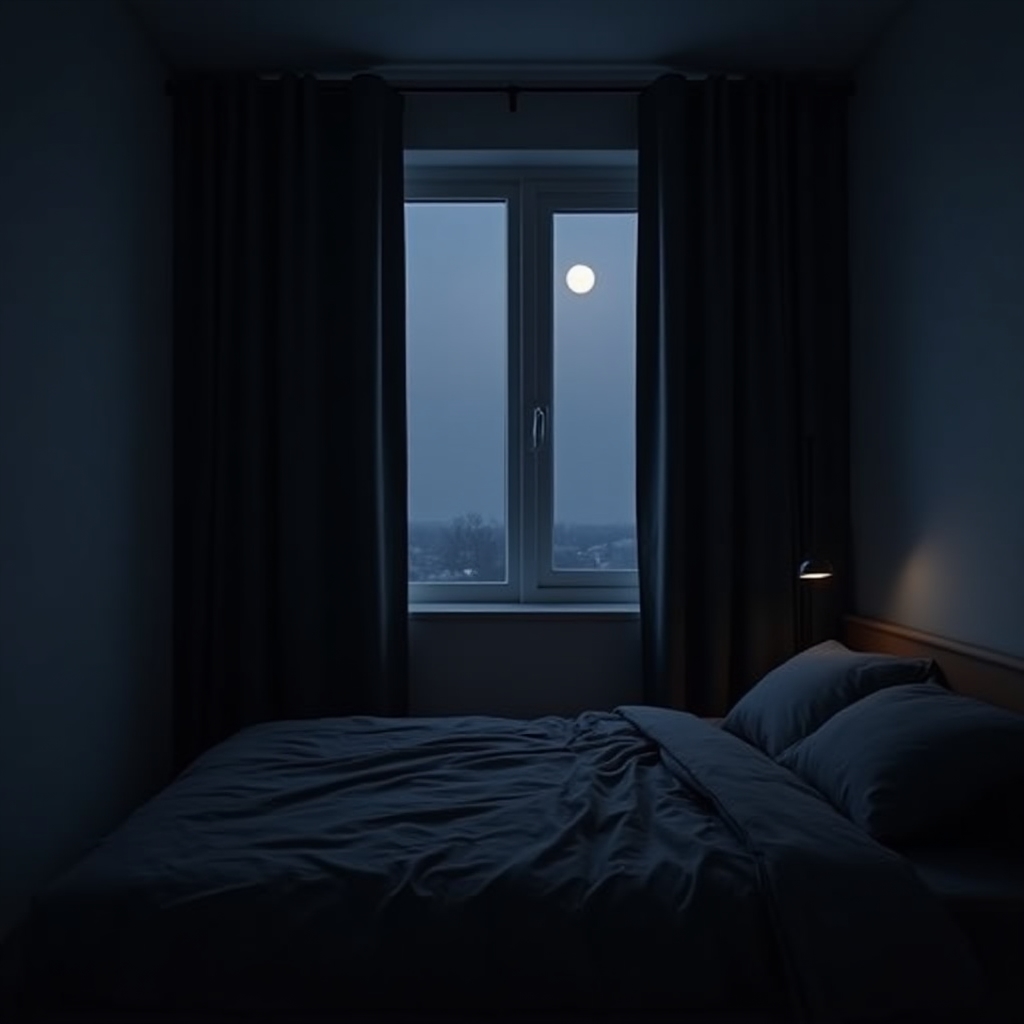
04 Dark, cool bedroom with blackout curtains and minimal furniture

Temperature, Darkness, and Sleep Architecture

Core body temperature has to drop for sleep onset and for the maintenance of deeper sleep stages. This module reviews the thermoregulation research behind bedroom temperature recommendations and looks at what ambient light does to sleep continuity across the night, including partial awakenings a person may not remember in the morning.

Sleep Environment
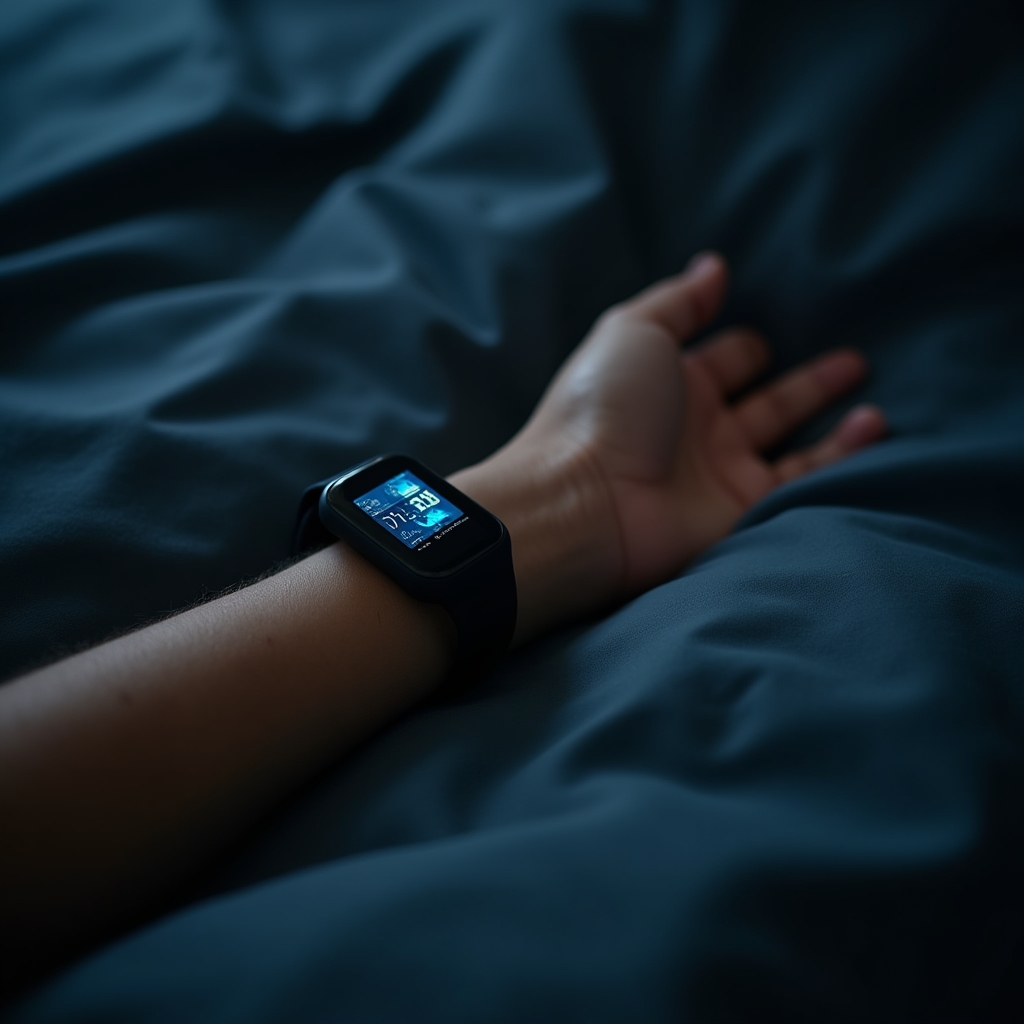
05 Close-up of a wrist-worn sleep tracking device

Why Your Wearable Tells You Less Than You Think

Consumer wearables estimate sleep stages from motion and heart rate signals, not brain activity. Validation studies comparing these devices against polysomnography show meaningful gaps, and this module explains why a person's own subjective sense of rest often carries information a device misses.

Measurement

A common decision point

Two ways people read their recovery

Neither approach is presented here as superior. The course simply explains what each one can and cannot tell you.

Relying on a sleep score alone

  • Gives a quick daily number to glance at
  • Tracks trends in resting heart rate over weeks
  • Estimates sleep stages indirectly, not from brain waves
  • Can disagree sharply with how rested a person actually feels

Pairing data with self-observation

  • Adds context a sensor cannot capture, such as perceived soreness
  • Draws on validated subjective sleep questionnaires used in research
  • Helps notice patterns tied to light, caffeine, or room temperature
  • Requires a short daily habit of noting how the night felt
Desk with open research journals and notes on sleep science

Why this course exists

Explaining mechanisms, not selling outcomes

Sleep advice online tends to arrive as a list of rules with no explanation attached. Yalili takes a different route. Each module opens with a question a person training regularly might actually ask, then walks through the physiology and the studies that address it, in language that doesn't require a background in biology.

Read our teaching philosophy

Questions we're asked often

Before you enroll

No. Yalili is an educational course that explains published research on sleep and physical performance. It does not diagnose sleep disorders, does not provide medical advice, and is not a clinical service. Anyone with ongoing sleep difficulty should speak with a licensed healthcare provider.

It's written for people who exercise on a regular schedule, whether that's strength training, running, cycling, or team sport, and who suspect that inconsistent or poor sleep may be limiting their progress. No prior knowledge of sleep science or physiology is assumed.

No equipment is required. Module five specifically discusses the limitations of wearable sleep tracking, so the course is useful whether or not you already own one. Some sections include optional worksheets for tracking your own observations.

The course is organized into five self-contained modules, each combining written explanation, references to the underlying studies, and short reflection prompts. Modules are designed to be worked through at a comfortable pace rather than in one sitting.

Each module points to peer-reviewed studies in sleep physiology, chronobiology, and pharmacology, along with review articles that summarize a wider body of findings. Citations are provided so learners can look into the original material if they choose to.

The course explains factors that research associates with recovery and performance. It does not produce a diagnosis or a personalized plan. Individual results depend on many variables the course cannot assess, including training load, nutrition, and underlying health conditions.

Reach us

Questions about the course

Yalili is a small, independent education project. Here's how to get in touch.

Address

1833 S Oak Park Ave
Chicago, IL